
PBIS in Action: From Fidelity to Impact
Highlighting how PBIS comes to life, its impact on students and the transition to PBIS TFI 3.0 as part of its ongoing efforts to strengthen implementation fidelity and improve outcomes for all students
Spring PBIS TFI Walkthroughs Kick-Off
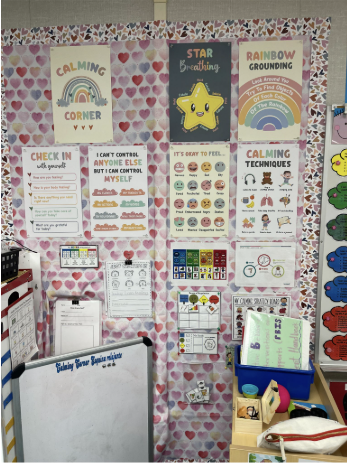
Positive Behavioral Interventions and Supports (PBIS) is an evidence-based, tiered framework for supporting students’ behavioral, academic, social, emotional, and mental health. When implemented with fidelity, PBIS improves social-emotional competence, academic success, and overall school climate (Center on PBIS, 2024). Spring is always an exciting time for our ED&D team, as we begin our PBIS Tiered Fidelity Inventory (TFI) walkthroughs for state recognition. This is one of the busiest periods of the school year, filled with energy and anticipation as we visit schools to see the PBIS framework in action. Our team looks forward to observing classrooms and interviewing students, which provide a window into the daily routines, classroom environments, and strategies implemented that make PBIS so impactful. It is certainly a time to celebrate successes and identify opportunities for growth as we prepare schools for recognition.
Why PBIS Matters for Students
PBIS is not just a set of procedures, it is a framework designed to create consistent, positive learning environments where students can succeed. By establishing clear expectations, acknowledging positive behavior, and using data to guide decisions, PBIS supports all students, including those who may face systemic barriers. The impact is clear in student voices as featured in the Teach by Design Podcast by Megan Cave, particularly Episode 15 and Episode 16. Both episodes highlight increased engagement, sense of belonging, and confidence in schools.
Within the PBIS framework, schools can intentionally gather student feedback through surveys, focus groups, and informal check-ins. Incorporating student voices helps educators understand how PBIS practices are experienced in real time and identify ways to improve systems so they meet students’ needs. By valuing student perspectives, schools strengthen PBIS implementation, ensuring interventions are meaningful, equitable, and responsive. Listening to students not only informs better practices, it empowers learners to take an active role in shaping a positive, supportive school culture.
The Transition from PBIS TFI 2.1 to 3.0
Have you heard that PBIS TFI is evolving from version 2.1 to 3.0? This truly reflects the commitment to continuous improvement to better reflect current research and best practices in school-wide behavioral support. According to the Center of PBIS, the purpose of TFI 3.0 is to provide a valid, reliable, and efficient measure of the extent to which school personnel are applying the core features of PBIS (2024).
The shift to 3.0 brings updated themes that emphasize equity, culturally responsive practices, and systemic supports for all students. Key changes included expanded indicators on leadership engagement, family and community partnerships, and enhanced tools for tracking PBIS fidelity. These updates are designed to help schools strengthen implementation, ensure interventions are meaningful, and ultimately improve student outcomes (Sugai et al., 2023).
To support this transition, upcoming training sessions and resources are available here:
Participating in these sessions will help school teams understand the changes and apply them effectively next year, keeping PBIS systems aligned with research-based standards and ensuring students continue to thrive.
Conclusion: Celebrating PBIS in Action
As we go through this spring TFI walkthrough season, the ED&D team celebrates the dedication of educators and leaders who make PBIS successful. Observing classrooms and schoolwide systems in action reminds us of the power of consistent, positive practices. PBIS continues to be a driving force for creating inclusive and supportive learning environments. Let’s carry this momentum forward and continue to build on successes and embrace new opportunities to enhance student outcomes.